Hobbies and Free Time
Free time is defined as the period during which an individual is not occupied by mandatory tasks. These obligations typically include professional labour, school attendance, domestic chores, and essential biological needs such as sleeping or eating. In our modern, high-pressure society, free time is not just a luxury; it is a precious commodity essential for the human organism. It serves as a psychological "reset" button, allowing us to recover from the exhaustion of our responsibilities.

Hobbies are the specific manifestations of our interests during these free hours. A hobby is more than a simple distraction; it is a way to express our personality and find fulfilment outside of our economic or academic productivity. Whether someone chooses a quiet activity like doing crosswords or a high-energy pursuit like hot air ballooning, these choices tell a story about who they are and what they value.
Individual hobbies include activities which do not require the presence of other people. These are often the preferred choice for those seeking introspection or a break from social noise. Typical examples include reading books, playing single-player computer games, amateur painting, or collecting objects such as coins, stamps, and posters. These hobbies allow for complete autonomy and personal pace.
Collective free time activities, by contrast, are practiced in groups. These are the engines of social cohesion and community building. This category includes playing cards, socializing with friends at cafes, attending parties, playing team sports, or performing in a music band or choir. These activities require communication, compromise, and shared goals, which are essential life skills.
Active hobbies involve physical or mental exertion and often result in the creation of something new. This includes all kinds of sport activities, writing poems or short stories, composing music, pottery, gardening, and DIY (Do-It-Yourself) activities. These hobbies require determination and often push the individual out of their comfort zone.
Passive hobbies are focused on relaxation and consumption rather than production. Examples include watching films, following talk shows on TV, scrolling through videos on the internet, or reading tabloids and magazines. While passive hobbies are useful for immediate stress relief, they generally offer less in terms of long-term personal development compared to active pursuits.
The reasons people practice hobbies are diverse. Most people begin a hobby to avoid boredom or to have fun, but the secondary benefits are much more profound. Meaningful leisure activities allow us to refresh our minds and relax after a long day of work. They provide a sense of agency — the feeling that we are in control of our time.
Furthermore, these activities significantly shape our characters. For instance, an individual who engages in pottery or embroidery develops immense patience and precision. Someone who joins a hiking club or plays a team sport becomes more sociable and cooperative. Hobbies often require us to be goal-oriented; for example, learning a difficult piece of music or training for a marathon teaches us how to stay determined in the face of challenges. These character traits are often transferable, making us more resilient and capable in our professional lives.
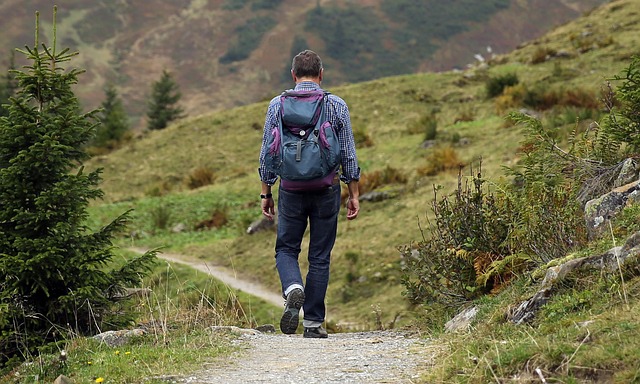
The history of leisure reflects the history of human progress. In the past, the way people spent their free time was strictly dictated by social class, gender roles, and the lack of technology. Leisure in the Pre-Industrial and Industrial Past For many centuries, hobbies were divided by gender. Women were traditionally expected to be interested in handicrafts such as knitting and embroidering, which were seen as both productive and feminine. Men’s hobbies often revolved around physical labour, outdoor pursuits, or strategic games like chess. Before the era of mass media, children’s leisure was simple, consisting of playing outdoors, doing puzzles, or participating in communal activities like choir singing.
The invention of the printing press was the first major revolution, making reading a widespread hobby for the masses rather than just the elite. Later, the invention of television turned leisure into a passive, home-based experience. However, nothing has changed human lifestyle as much as the invention of the internet. Our free time activities have changed more in the last three decades than in the previous three centuries. Today, we spend much of our time in the "virtual world," which offers infinite entertainment but also leads to a more sedentary lifestyle.
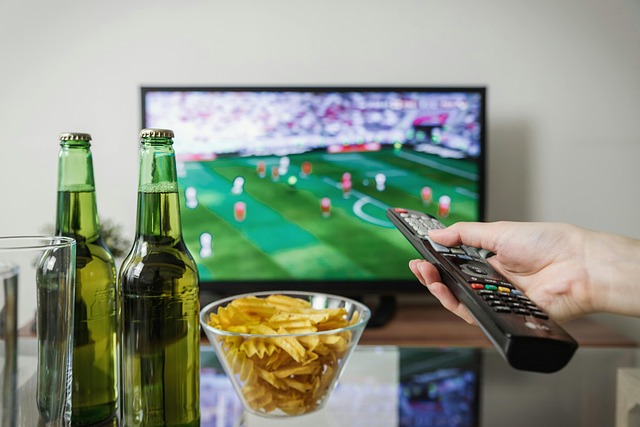
Ultimately, the goal of a well-lived life is a balanced lifestyle. While work and education provide the means to live, hobbies provide the reason to live. In a world that is becoming increasingly digital, maintaining a connection to active, traditional, or social hobbies is more important than ever. Whether you are doing crosswords on a Sunday morning or hiking a mountain peak, these moments of free time are when you are most truly yourself.

Obrázky použité na tejto stránke sú čerpané zo stránky:
pixabay.com